In-home eating disorder coaching · US + New Zealand
We’re there in your hardest moments, building skills that last a lifetime
We help people recover and support their families through the journey. We work with you in your home, every day, for eating disorders.
Free and no commitment. We respond within 48 hours. Referring a client? For clinicians →
- Therapist and dietitian on your team
- In your home or virtual
- Free consult, no commitment




Our team combines professional training and clinical knowledge.
“Kathryn gave me hope when I didn’t know I wanted any and didn’t know there was any to be had.”— client, eating disorder program
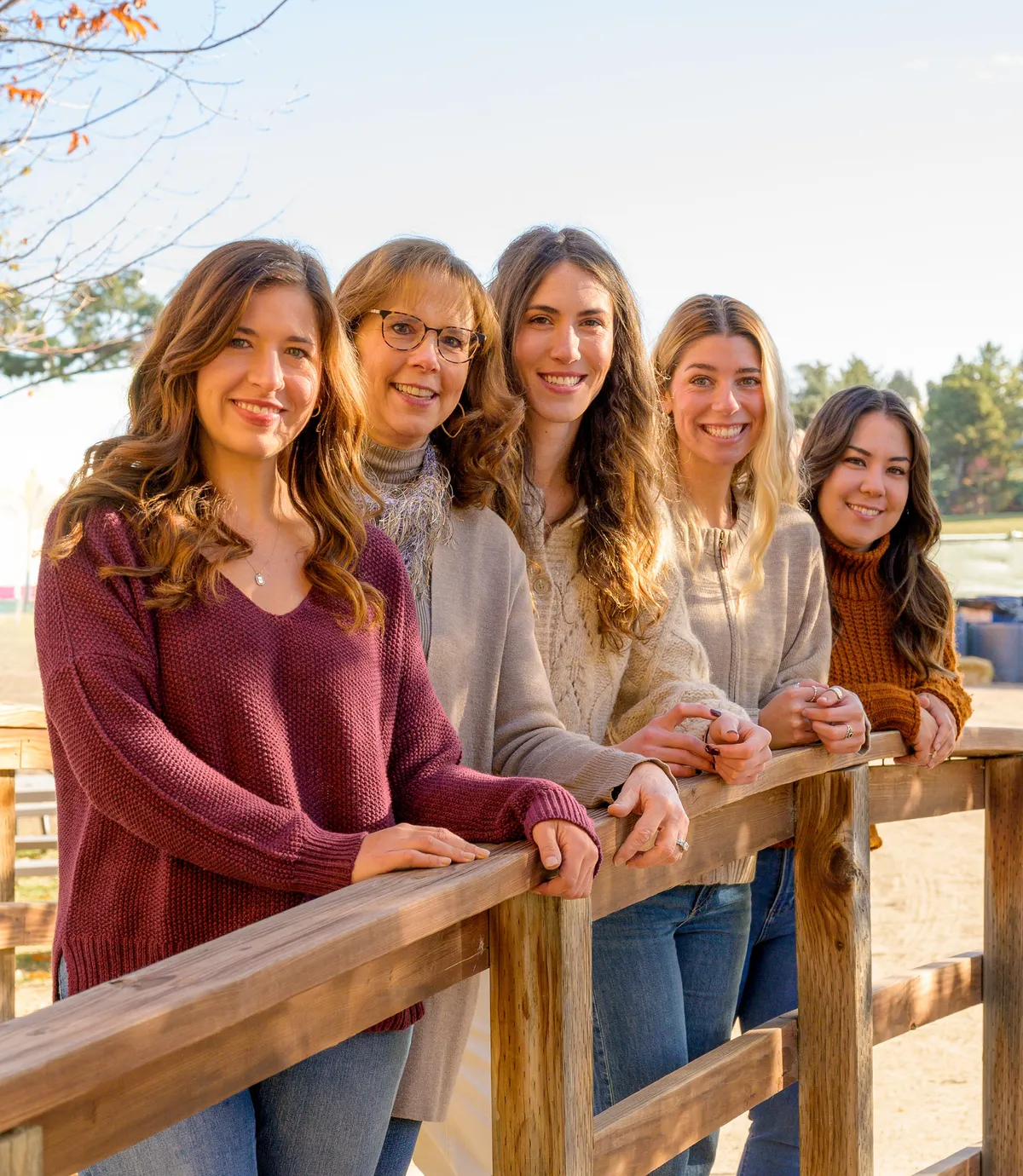
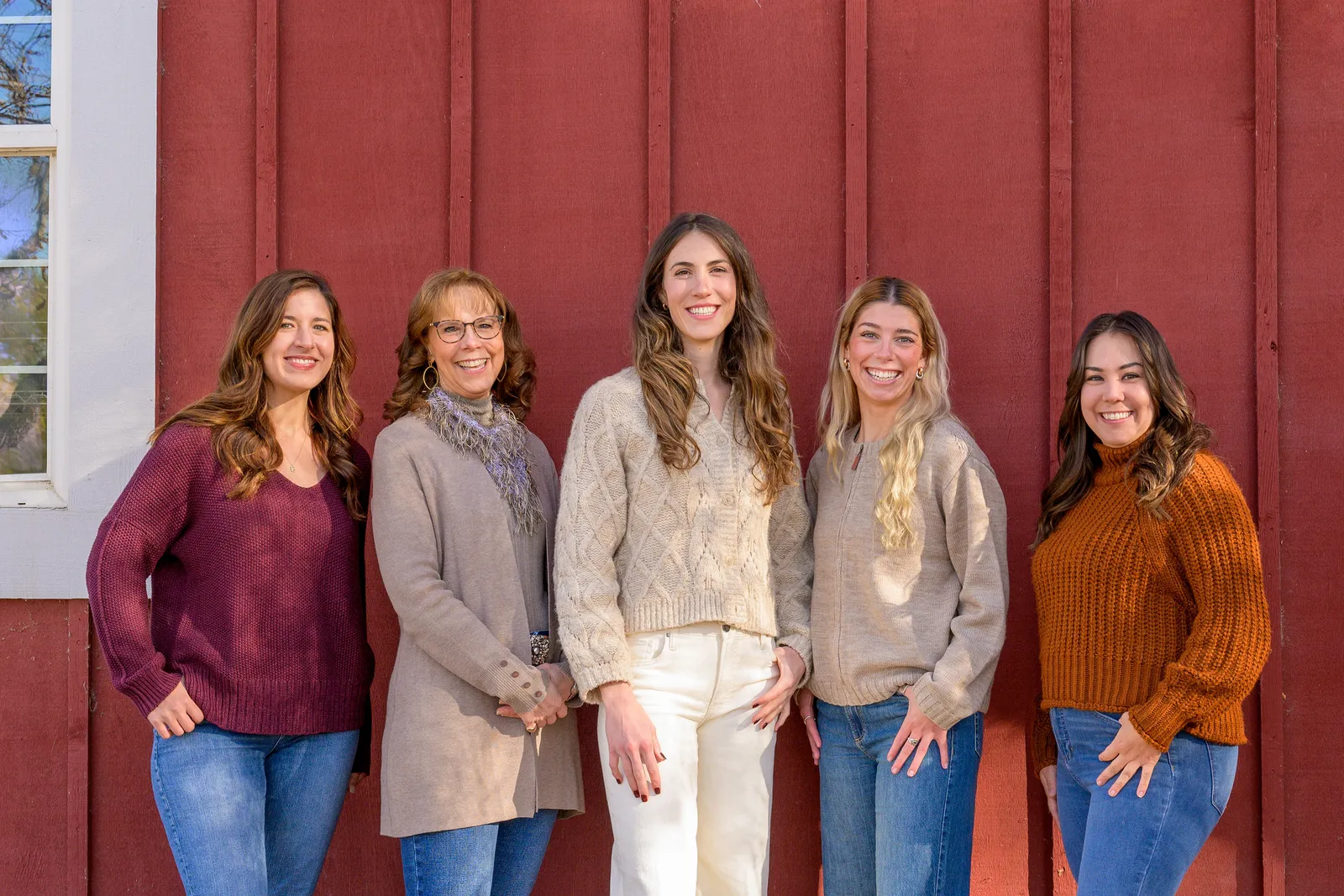
our team, together
1 of 3
beyond the eating disorder
“Everyone deserves the chance to heal. Everyone.”
A former client, age 18 · read her letter

2 of 3
at the kitchen table
“Recovery doesn’t happen in a bubble. It happens at the kitchen table.”
A former client, age 16 · read her full post

3 of 3
this is where we come in
“…walking alongside you in recovery so you know you don’t have to do it alone.”
Madi, Lead Recovery Coach · meet Madi
What we do: recovery coaching made for you, your disorder and your life
How in-home coaching works →Everyone is different, and everyone deserves support that works for them. Your coach is with you in real life, carrying out a custom treatment plan built for you.
Meals, routines and daily structure
We build each day around the plan from our clinical team: meals from your dietitian’s plan, routines, sleep and the steps your therapist sets.
Real-time coping strategies
We provide practical tools to manage urges, negative thoughts, and difficult emotions as they arise.
Accountability and structure
We keep you accountable between your appointments. We bring you to your appointments and debrief them afterwards.
Behavioral monitoring
We are trained to identify, address, and manage behaviors.
and above all
Inspire, motivate, and empower
We inspire and motivate you to want to recover, and empower you to do it.
Eating disorder coaching
In-home coaching for eating disorders, ages 12 and up, with our clinical team and step-down model.
What happens after treatment endsAfter residential, hospital or outpatient treatment, 31–50% of people treated for anorexia relapse, most often in the first year home. We’re the support at home to help prevent that relapse. We stay through the riskiest stretch and step down only when you’re ready.These numbers come from published studies. They are not Recover at Home’s results.
Ages 12 and up · In-home or virtual
Eating disorders
A coach with their own recovery is with you at home every day after treatment, carrying out the plan our therapist and dietitian set, and stepping down over 3 to 12 months.
one team, one plan
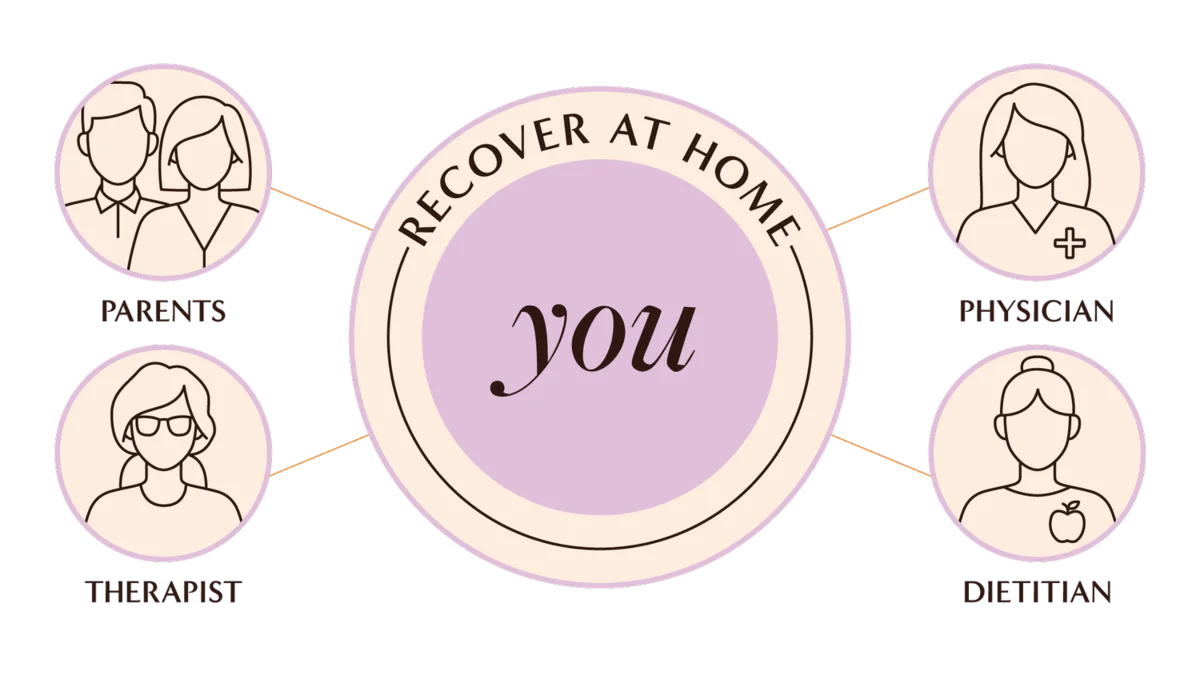
Our whole team, working from one plan
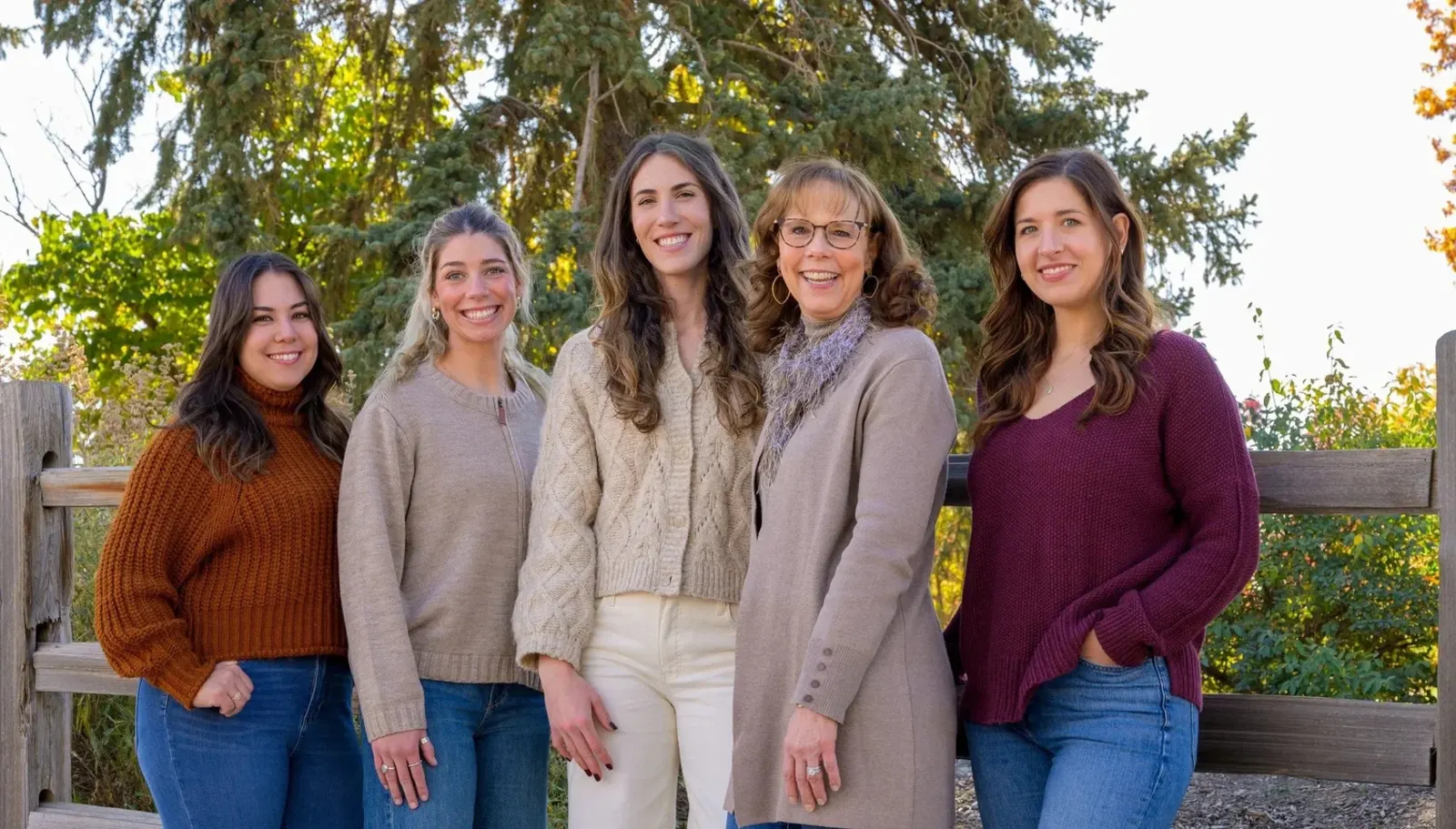
Our team combines professional training and clinical knowledge. Your coach works side by side with our therapist, dietitian and psychiatric nurse practitioner, so you don’t have to piece care together yourself. Already have providers you love? We work alongside them too.
Meet the team →- Therapist
- Dietitian
- Psychiatric nurse practitioner
- Recovery coaches
- Parent counseling with Nancy Getter, LCSW
Getting started
What happens when you reach out
Starting should feel clear, not overwhelming. Here is what the first steps look like.
- 01
A free initial consult
We listen to what’s going on and help you find the right program. You’ll talk with Michele, our Director of Operations. We will respond to all inquiries within 48 hours.
- 02
We build your team
Our therapist, dietitian and psychiatric nurse practitioner build your plan with you. We also work alongside any providers you already have.
- 03
Your milestone map
After getting to know you, your family and your team, we map out the milestones that guide when we decrease support.
- 04
Step down, then step back
Support goes down as you progress, until accountability is fully transferred from coach to the individual.
Where we work
In person or virtually, across the US and New Zealand
- United States
- New Zealand
Somewhere else? Reach out and we’ll see what we can do to work with you where you’re at. Ask us
Paying for care
Questions about cost are part of choosing care
Private pay
Phased pricing: as you get better, your hours step down and so does your hourly rate. Itemized invoices for every visit.
HSA or FSA
With a letter of medical necessity, part of coaching may be paid from your HSA or FSA. It starts with an evaluation, usually with your primary care provider.
A single case agreement
For some plans, we can ask your insurer to cover a set block of coaching hours. It’s a request, not a promise.
The step-down model
Example of how step-down support often looks.
We use a step-down model. We determine how much support you need and we step down as you progress through recovery. After the first month of getting to know you, your family, and your treatment team, we develop a personalized milestone map.
An example only. Every plan is set with your treatment team.
See example plans →We aim for full recovery, so you don’t go back again and again
Many people go through residential treatment more than once. Every new round means more time away from home, school and work, and it usually costs more than support at home. Relapse risk is highest in the gaps: the first weeks home and the year after treatment ends. That’s exactly when we’re there, every day, helping you practice recovery in the real life you’ll keep living. Our goal is full recovery that lasts, so you don’t have to start over.
you’re not alone
They’re not treatment-resistant—they’re coercion-resistant.
If you have been through residential, PHP, or IOP—maybe multiple times—without lasting change, you’re not alone. The illness never loses its appeal because treatment felt like something being done TO you, not WITH you.
Read our approachHelp that’s easier to accept
Young people are wired to resist parental authority, and adults resist being managed by family.
Recovery happens in real life
We keep you in school or at work, with friends, in your activities.
Emotional neutrality during hard moments
Coaches can remain calm and steady during meals and hard moments because they’re not carrying a family’s fear, guilt, or exhaustion.
Why we do this
Recovery is possible, and the right support system makes all the difference.
Our founder’s journey with anorexia revealed a critical gap in eating disorder care. Despite access to excellent clinical treatment and family support, recovery took far longer than necessary—not due to lack of effort, but due to lack of the right kind of support.
What was missing was a specialized coach who could bridge the clinical care team and everyday life at home—someone who could provide practical, day-to-day guidance that complements professional treatment and fills gaps that families, despite their best intentions, cannot always address alone.
Filling that gap became our mission. Recover at Home was founded to provide the evidence-informed coaching and mentorship that enables and accelerates recovery, while supporting families through every stage of the journey.
Why in-home works →Where are you coming from?

We’re here to help you and your family navigate this journey with confidence.
- Parents don’t have to be the “food police.”
- We transfer the treatment manager role to the coach, which protects the parent-child relationship
- Families have support during the hard moments

Less infantilizing, more effective.
- Working with a recovery coach feels more adult than being supervised by family
- It is easier to accept help from a neutral party than to surrender control to your family
We work directly alongside your outpatient treatment team.
- We follow your plan at home, hour by hour and day by day
- We’re not a replacement for clinical care
- Collaboration and communication with your outpatient treatment team
is this right for us?
Question 1 of 3 · answers stay on this page
Who is the support for?
Meet the team
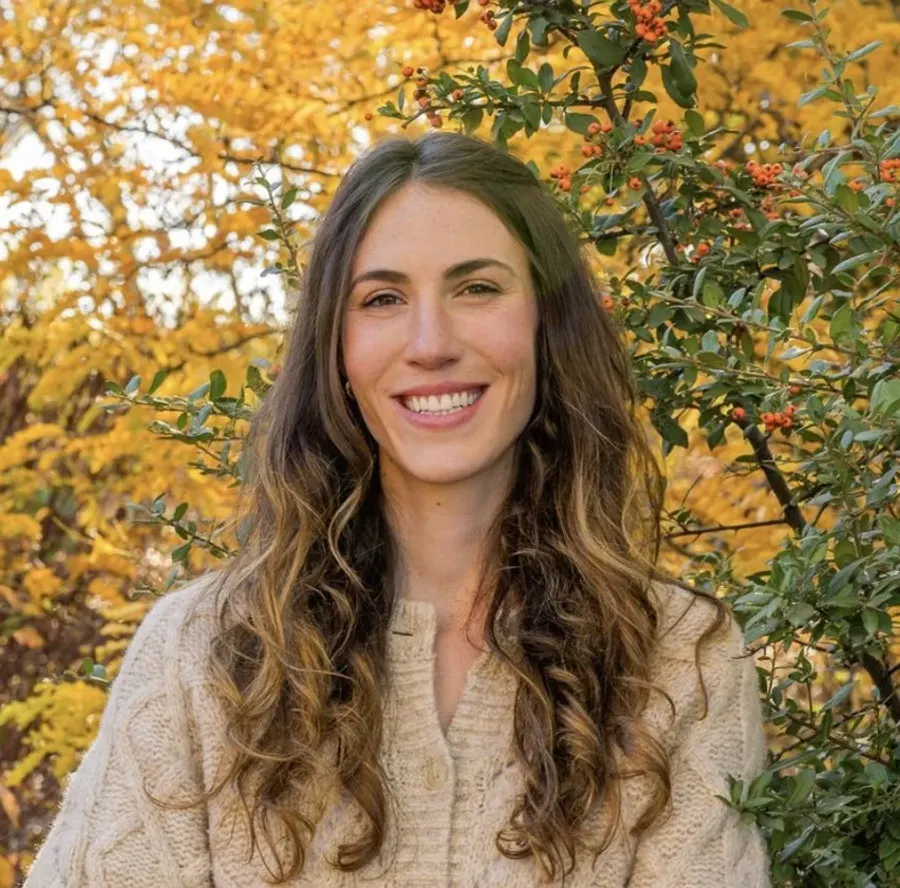
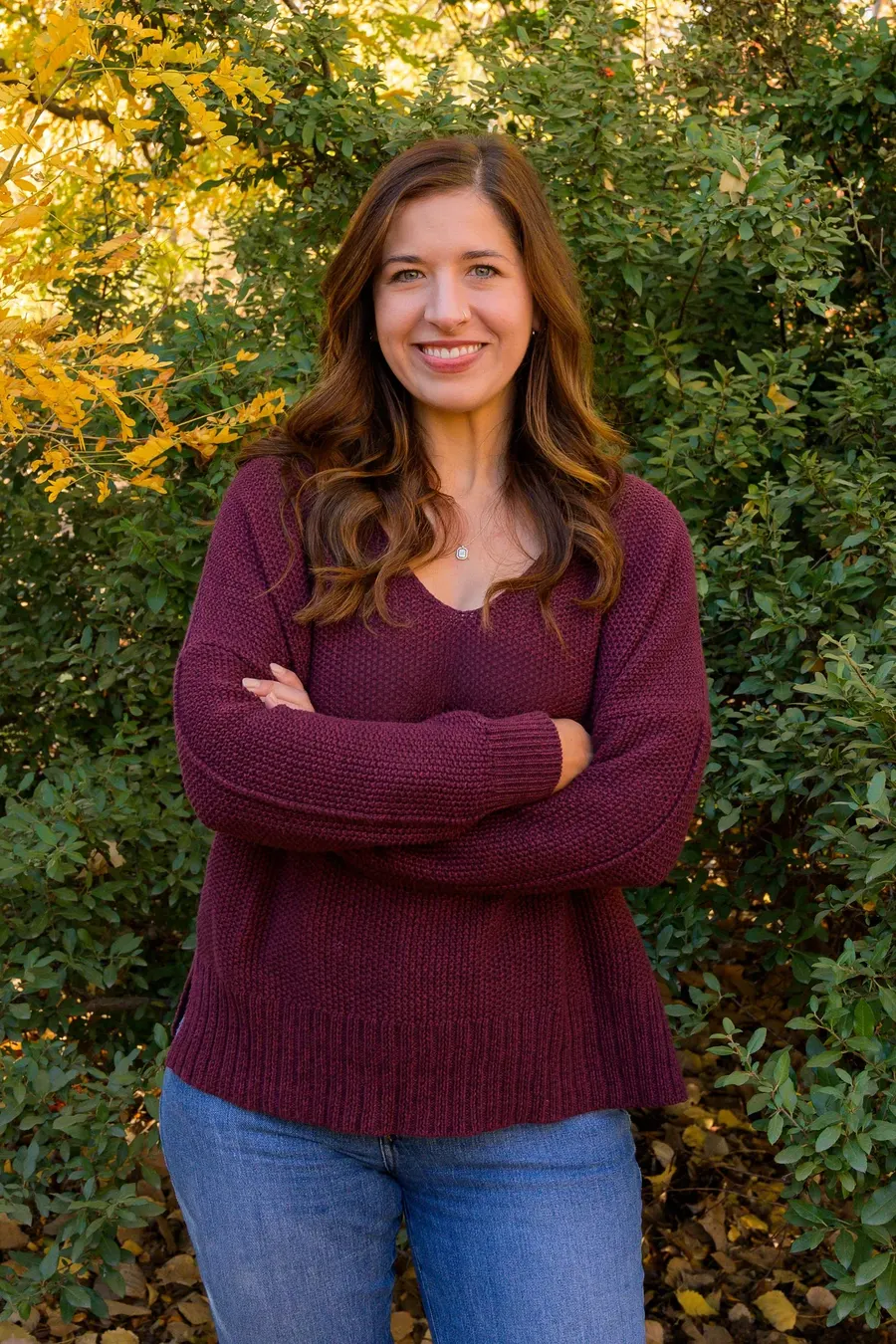
Our recovery coaches


Client and parent testimonials
More testimonials →“Not only did Kathryn help our daughter recover, in the process she allowed me to go back to work. The whole family’s life started to normalize the moment she walked through our door.”
“Thank you SO MUCH for sharing your heart with me through this whole process. I felt less alone from the very first time I talked to you. I know that you are the reason I was able to recover.”
“Kathryn has been a remarkable mentor, advocate and empathetic peer when our daughter needed it most. We couldn’t be more grateful to have her in our lives.”
Quick answers
What is in-home recovery coaching?
Treatment isn’t one-size-fits-all. Residential care is the right fit for some, weekly outpatient therapy works well for others — but there’s a significant gap in between. Recover at Home was built to close that gap. We provide intensive, hands-on support that meets you where recovery actually happens — at home, at the dinner table, in the moments that weekly therapy sessions can’t reach. We’re not a replacement for clinical care. How it works
Who is it for?
We help people recover from eating disorders (ages 12 and up) and support their families through the journey. We serve the US and New Zealand. Eating disorder coaching
Do you work with my current providers?
Yes. We work alongside any providers you already have, carrying out their plan day by day. If you need a team, our therapist, dietitian and psychiatric nurse practitioner can join your care. For clinicians